
Data Warehouse Creation
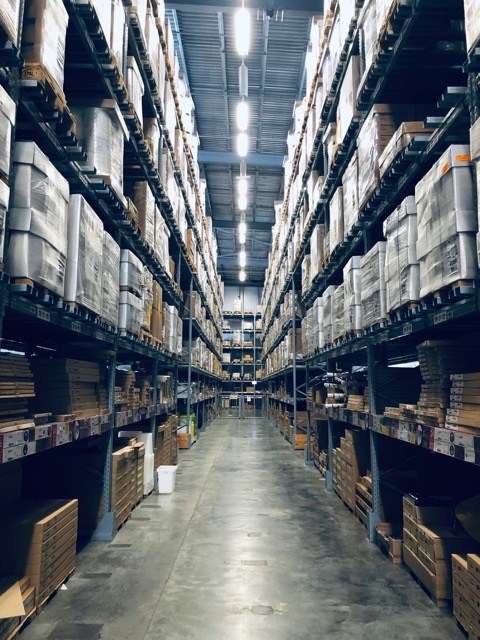
Client requirement was to migrate data from fragmented databases to a single data Warehouse. We built the service over on Azure and created continuous pipelines with event listeners to ensure accurate and timely data capture. The initial data loading was done via Bulk migration and once verified the event listeners were created to pull in the fresh data. This warehouse was then handed over to the Analysts at the organization.
Approach:
- Discovery and Requirements Gathering:
- Conducted a comprehensive analysis of all fragmented source databases, understanding their schemas, data types, relationships, and data quality issues.
- Collaborated with business stakeholders and analysts to define reporting requirements, key performance indicators (KPIs), and data models for the new data warehouse.
- Identified critical data elements and transformation rules needed for aggregation and analysis.
- Azure Data Warehouse Design and Setup:
- Designed the target data warehouse schema (e.g., Star Schema, Snowflake Schema) optimized for analytical queries.
- Provisioned and configured an Azure-based data warehouse solution (e.g., Azure Synapse Analytics, Azure SQL Data Warehouse) considering scalability, performance, and cost.
- Set up necessary infrastructure components like Azure Data Lake Storage for staging and intermediate data.
- Initial Bulk Data Migration Strategy:
- Developed a strategy for extracting historical data from diverse source systems, addressing data volumes and connectivity challenges.
- Designed and implemented robust ETL/ELT processes using Azure Data Factory (ADF) for the initial bulk load. This included data cleaning, transformation, and loading into the data warehouse.
- Data Verification and Validation (Initial Load):
- Performed extensive data quality checks and validation after the initial bulk migration.
- Collaborated closely with the client's data owners and subject matter experts to verify the accuracy, completeness, and consistency of the migrated historical data.
- Addressed and rectified any discrepancies found during this phase.
- Continuous Data Ingestion Pipeline Development:
- Designed and built event-driven data pipelines for real-time or near real-time data capture from source systems. This involved using technologies like Azure Event Hubs, Azure Functions, or Change Data Capture (CDC) capabilities integrated with Azure Data Factory triggers.
- Ensured that new and updated data from source systems was continuously and accurately flowing into the data warehouse.
- Data Governance, Security, and Access Management:
- Implemented data governance policies, including data lineage, metadata management, and data retention.
- Configured robust security measures for the data warehouse, including encryption, network security, and access controls (e.g., Azure Active Directory integration, role-based access control).
- Set up appropriate user roles and permissions for the organizational analysts to access and query the warehouse.
- Documentation and Handover:
- Provided comprehensive documentation of the entire data warehouse solution, including architecture, data models, ETL/ELT pipelines, data dictionary, and operational guides.
- Conducted training sessions for the organization's analysts and IT team to ensure smooth adoption and ongoing management of the data warehouse.
Results:
- Centralized Data Source: Successfully consolidated data from disparate, fragmented databases into a single, unified data warehouse, providing a single source of truth for the organization.
- Improved Data Accuracy and Timeliness: The implementation of continuous, event-driven pipelines ensured that the data warehouse always contained the most recent and accurate information, enabling up-to-date reporting.
- Enhanced Analytical Capabilities: Provided analysts with a high-performance platform optimized for complex analytical queries, significantly reducing query execution times and enabling deeper insights.
- Scalability and Flexibility: Leveraged Azure's cloud infrastructure to deliver a highly scalable and flexible data warehouse that can easily grow with the organization's data volumes and evolving analytical needs.
- Reduced Operational Burden: Eliminated the need for analysts to query multiple, disparate source systems, streamlining data access and reducing the operational overhead associated with fragmented data.
- Faster Decision Making: Empowered the organization with timely and reliable data, leading to more informed and agile business decisions.
- Cost-Effective Solution: Optimized cloud resource utilization and architecture to provide a powerful data warehousing solution within a cost-effective framework.